


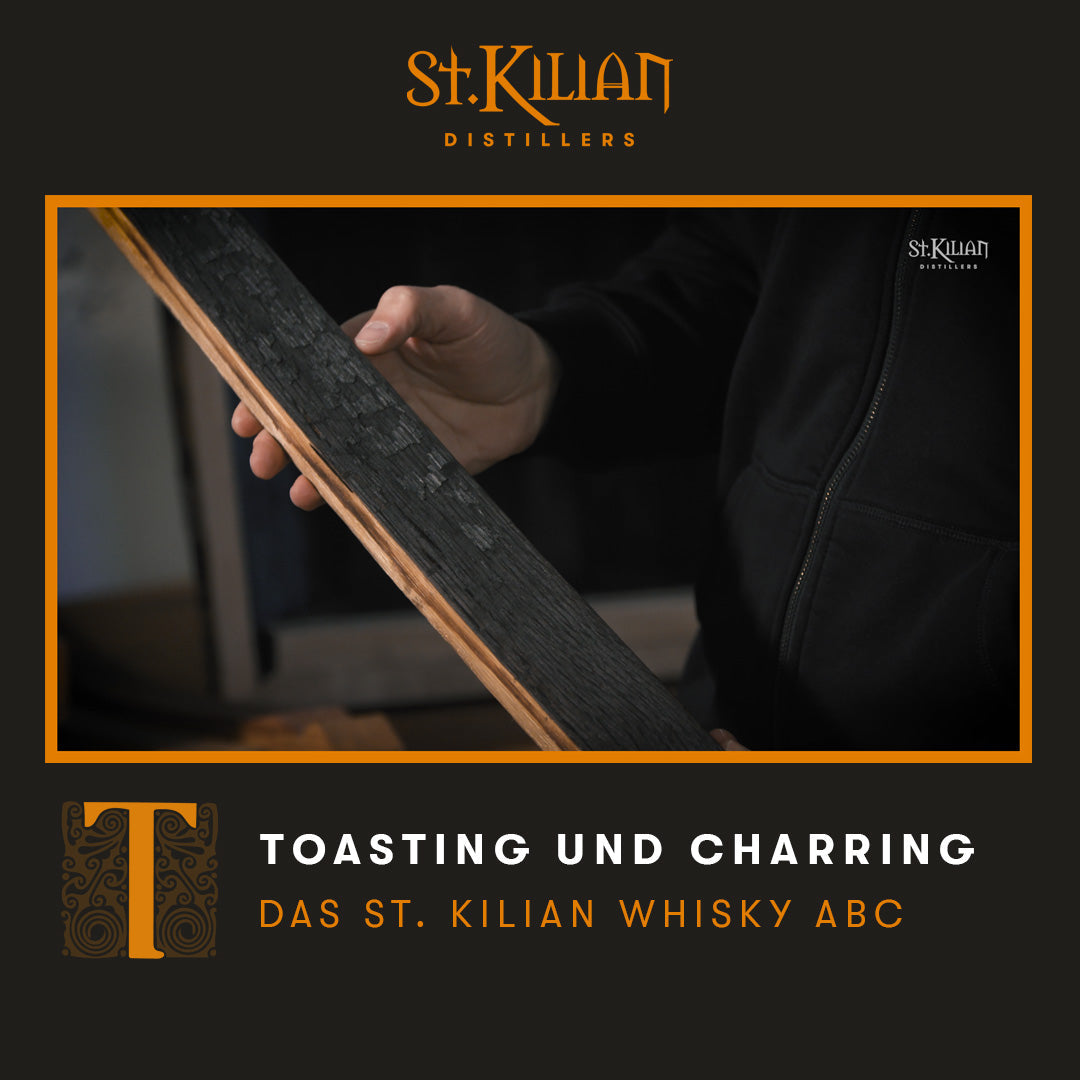

What do toasting and charring mean?
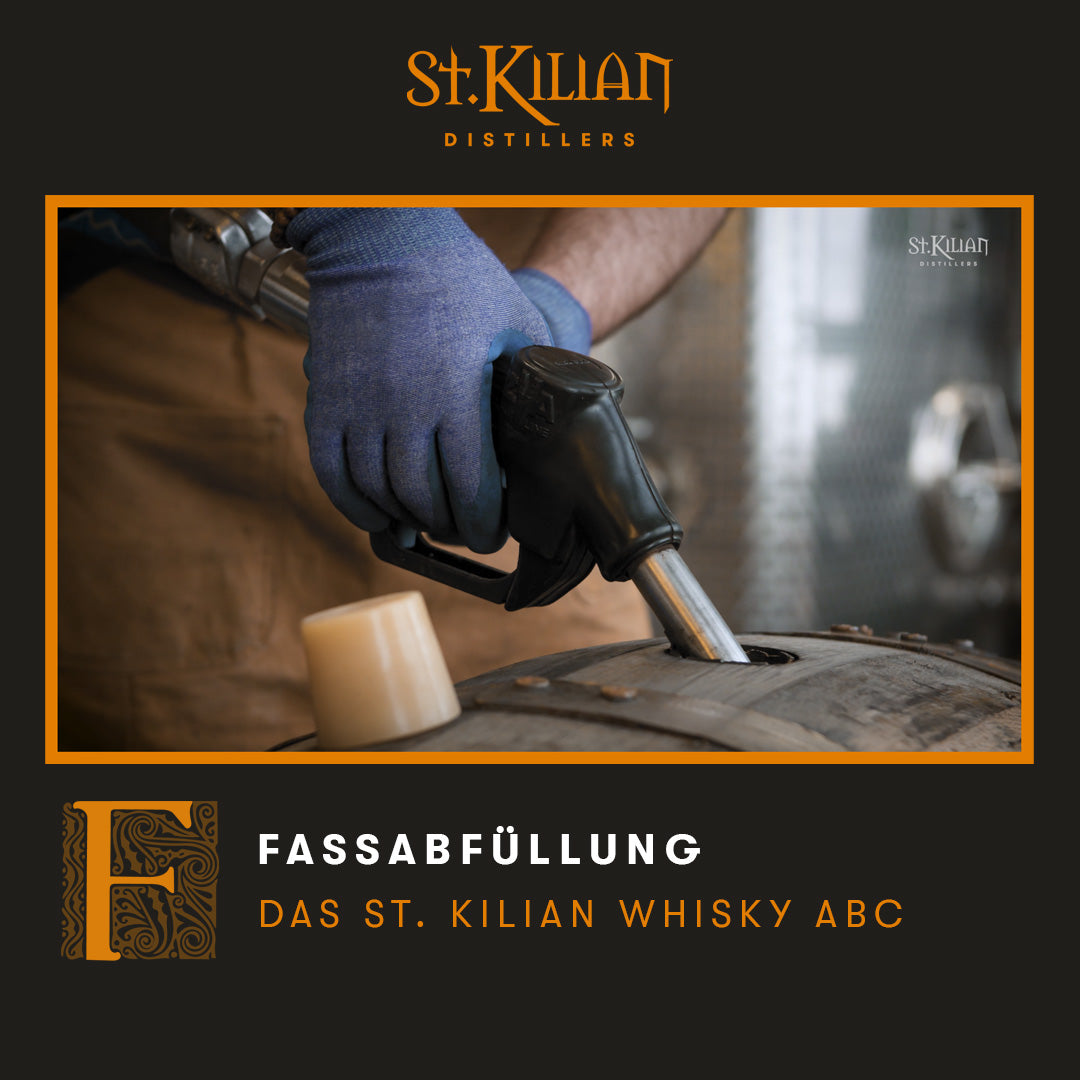
These terms refer to the treatment of the inner surface of wooden barrels with indirect or direct heat. The barrels pre-treated in this way are then filled with spirit after the bung is inserted and checked for tightness, so that it can mature into whisky.
What kind of barrels are these?
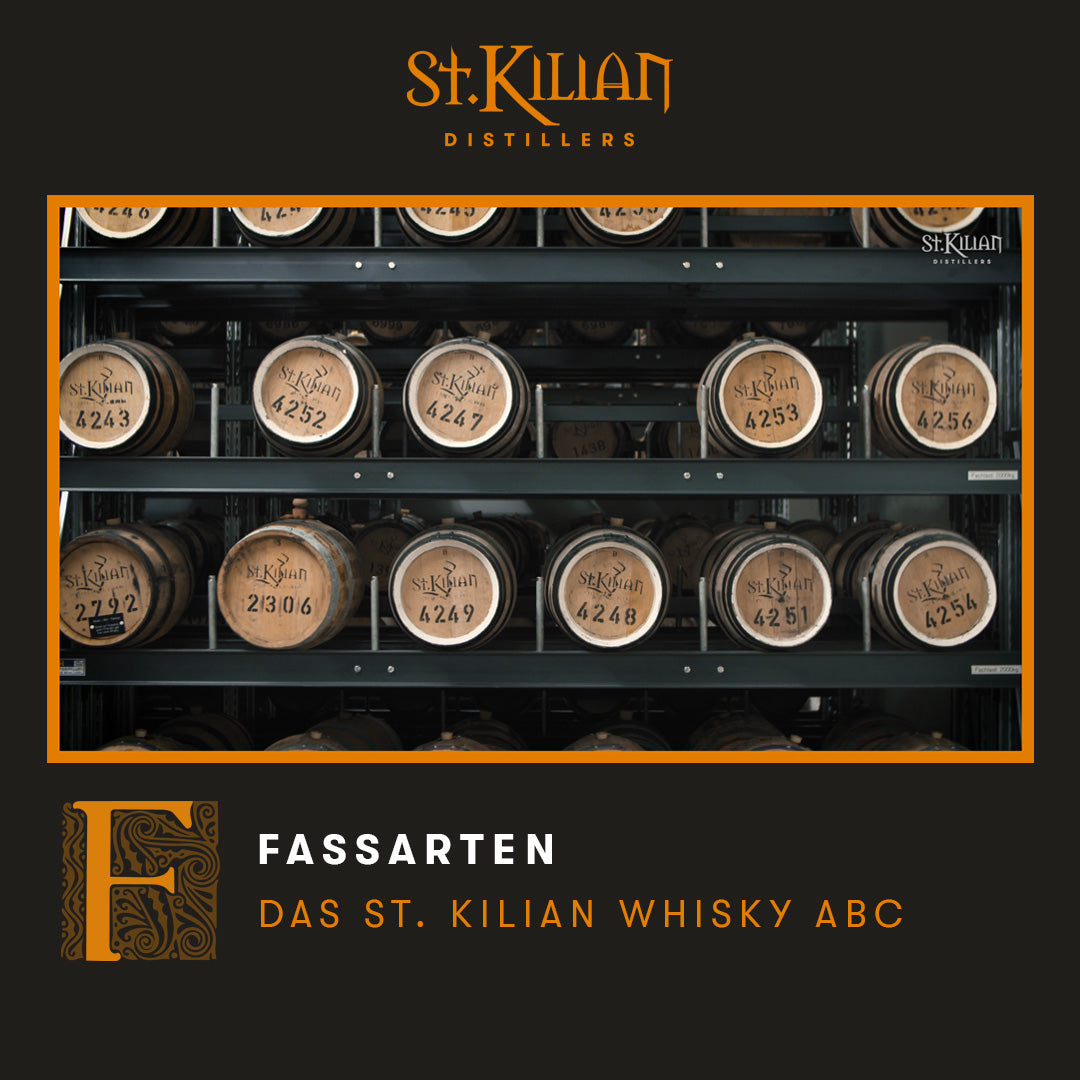
As a rule, these are oak barrels used for the maturation of whisky. For example, in Scotland, only oak barrels must be used. In the EU, and therefore also in Germany, other types of wood are permitted. However, the vast majority of wooden barrels used worldwide for the maturation of wine (red wine, sherry, etc.) or spirits (whisky, rum, brandy, etc.) are made of oak. The most common are barrels made of American white oak and European oak. European species mainly include French oak, but Spanish, Hungarian, or Palatinate oak are also often used.
How does toasting work?
During toasting, the inside of the barrel is treated with indirect heat. This usually involves the radiant heat of a flame. The temperature is so low that the wood does not ignite. The intensity of toasting is generally controlled by time, resulting in different toast levels. After 5 to 10 minutes of heat exposure, it is referred to as light toasting, after 10 to 15 minutes as medium, and after 15 to 20 minutes as heavy toasting. This thermal stress on the wood surface typically results in a 2-3 millimeter thick toast layer in the barrel staves. The temperatures and times for toasting are not standardized, so there can be considerable differences between individual cooperages.
What happens visually to the wood during toasting?
If you look at the staves of a barrel after toasting, you will only notice a darkening of the brownish hue of the wood surface. However, no black discoloration due to charring by heat exposure or any other physical change of the wood can be seen with the naked eye.
How does charring work?
In contrast to toasting, charring involves directly igniting the inside of the wooden barrel with a flame. The wood is allowed to burn for a certain period before being extinguished with water. Depending on the burning time of the wood surface, four types of charring levels, also known as char levels, are generally distinguished. Char-Level 1 requires about 15-20 seconds of flame time, and Char-Level 2 about 25-30 seconds. For Char-Level 3, the wood can burn for about 35-40 seconds. If the wood surface inside the barrel is ignited for up to a minute, visible charcoal plates already form on the surface of the staves at this Char-Level 4. Since this resembles the skin of a crocodile or alligator, Char-Level 4 is also colloquially called "Alligator-Char." As with toasting, there are no standard times for charring, as each cooperage uses its own heating regime. Due to the direct flame, a layer of toasted oak is additionally created under the black charring layer as a result of the heat. Depending on the length of the charring, this toast layer can have a depth of up to 12 millimeters.
Which barrels are toasted or charred?
Barrels for storing or aging wine, sherry and port wine, as well as for brandy and cognac, are usually toasted. Fresh American white oak barrels intended for aging bourbon, however, must be charred on the inside.
What happens to the wood chemically during heat treatment?
Toasting and charring of barrels have an enormous influence on the ingredients in oak wood, because the application of heat triggers chemical reactions in the wood. Like all plants on earth, oak wood is composed of the three main components cellulose, hemicellulose, and lignin. The heat treatment primarily breaks down these three polymeric components of the wood chemically, forming color and aroma compounds that are released into the distillate during barrel maturation. Charring also causes the structure of the oak wood to be physically broken down, allowing the maturing spirit to penetrate the staves more easily and deeply and extract aroma compounds.
What aromas are formed in the wood by thermal treatment?
The wood component lignin is transformed by heat into a wide range of chemical compounds that exhibit aromas of spices (cinnamon, cloves), chocolate, smoke, and fruit. In addition, lignin is thermally degraded to vanillin, the main aroma compound of vanilla. The vanilla aroma is very characteristic of American Bourbon Whiskey. Hemicellulose is composed of various sugars that caramelize during toasting or charring and form chemical compounds that impart aromas of nuts (walnut, almond, hazelnut), caramel, licorice, and buttery notes. Their quantity increases with rising temperature. Cellulose, on the other hand, consists exclusively of one type of molecule, namely glucose. This forms long chains that develop into a three-dimensional network. Cellulose is more stable to heat, but at high temperatures - similar to hemicellulose - it yields aroma-rich products that give off notes of dried fruit and roasted almonds. In addition, the sugar molecules released by heat can undergo a chemical reaction in the staves with the naturally occurring amino acids in oak wood (components of proteins or albumin), which is named after its discoverer "Maillard reaction." This also produces a wealth of colored and aroma-intensive products in the barrel wood, which are released into the maturing distillate.
Does the charcoal layer obtained after charring also have a function?
Yes, absolutely! The black layer of burnt wood, which is clearly visible on the wood surface and extends a few millimeters into the staves, is activated carbon. This activated carbon layer contributes little to no flavor and color to the maturing spirit. Nevertheless, it plays an important role in removing unwanted aromas in the spirit, as this activated carbon layer acts like a filter. Through a combination of adsorption and oxidation, it can reduce the amount of immature aroma compounds in the distillate – such as the odorous sulfur compounds or unpleasant fusel oils – and thereby contribute to improving the quality of the matured whisky.
Can the toasting and charring processes also be combined?
Yes. Some cooperages in the US first toast their fresh white oak barrels and then perform a charring. This creates more aroma and color compounds in the oak wood. This is intended to give the maturing bourbon a more intense flavor and deeper color.
Why are barrels for red wine maturation not charred?
The reason why red wine barrels are only toasted but not charred is, on the one hand, the formation of an additional activated carbon layer during charring. This activated carbon can adsorb the color-giving substances in red wine, which makes the wine's color paler. Depending on the duration of storage or maturation in the barrel, it could even be decolorized. In addition, the activated carbon layer is capable of removing some of the desired aroma and taste compounds in red wine, which winemakers naturally want to avoid at all costs. On the other hand, charring leads to an increased formation of vanillin in the wood, which is released into the wine and - due to its low odor perception threshold - can be perceived as very intense. Winemakers, however, only want a very small vanilla note in their wine, if at all.

Leave a comment
This site is protected by hCaptcha and the hCaptcha Privacy Policy and Terms of Service apply.