


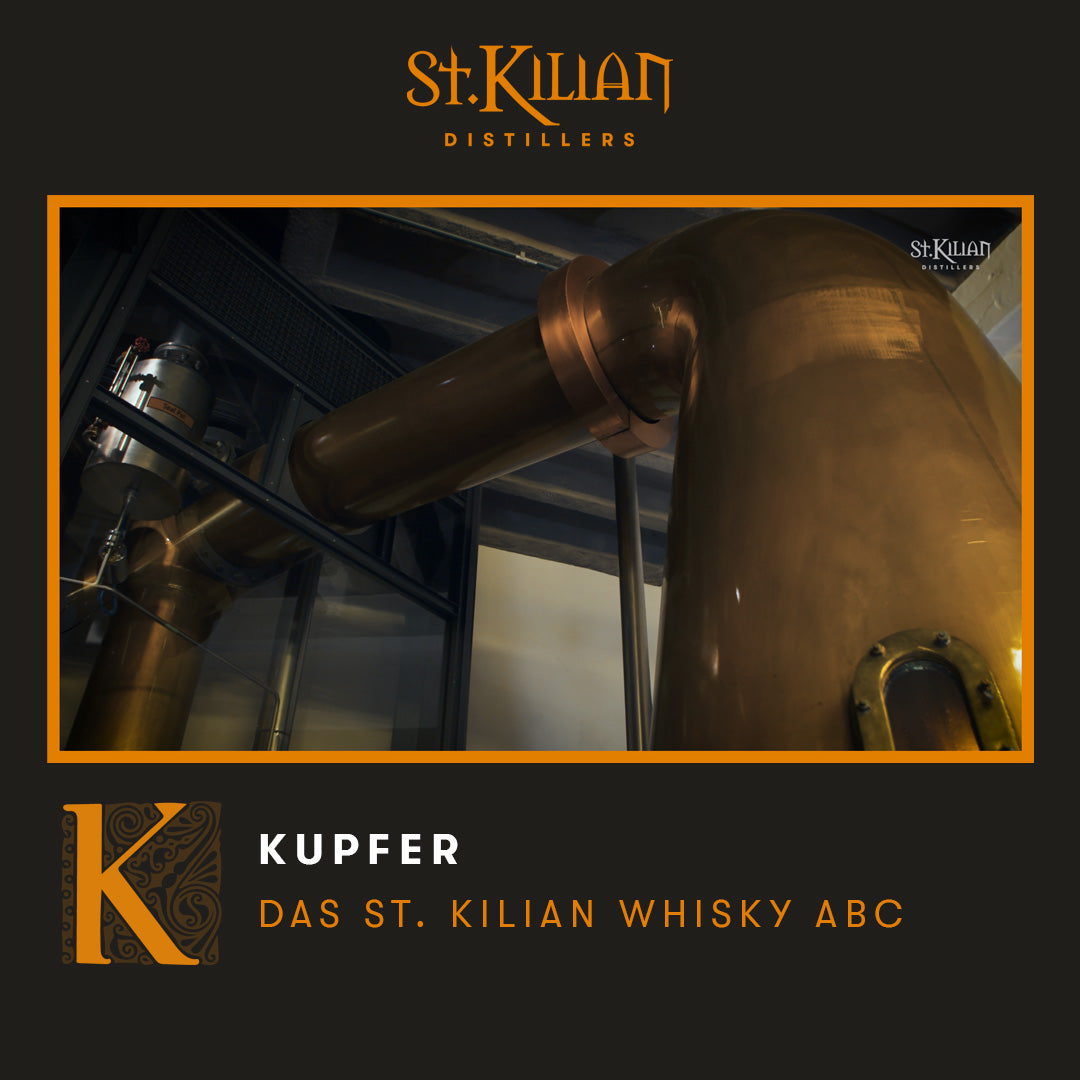

What is copper?
Copper is a chemical element with the symbol Cu. It is the 29th element in the periodic table and is classified as a heavy metal. Copper has been known for many millennia. Along with gold, silver, mercury, lead, iron, and tin, copper is one of the seven elements of antiquity.
Where does the name come from?
The Latin name for copper is derived from "aes cyprium," which means ore from Cyprus. This referred to the origin and extraction of the element in ancient times.
What properties does copper possess?
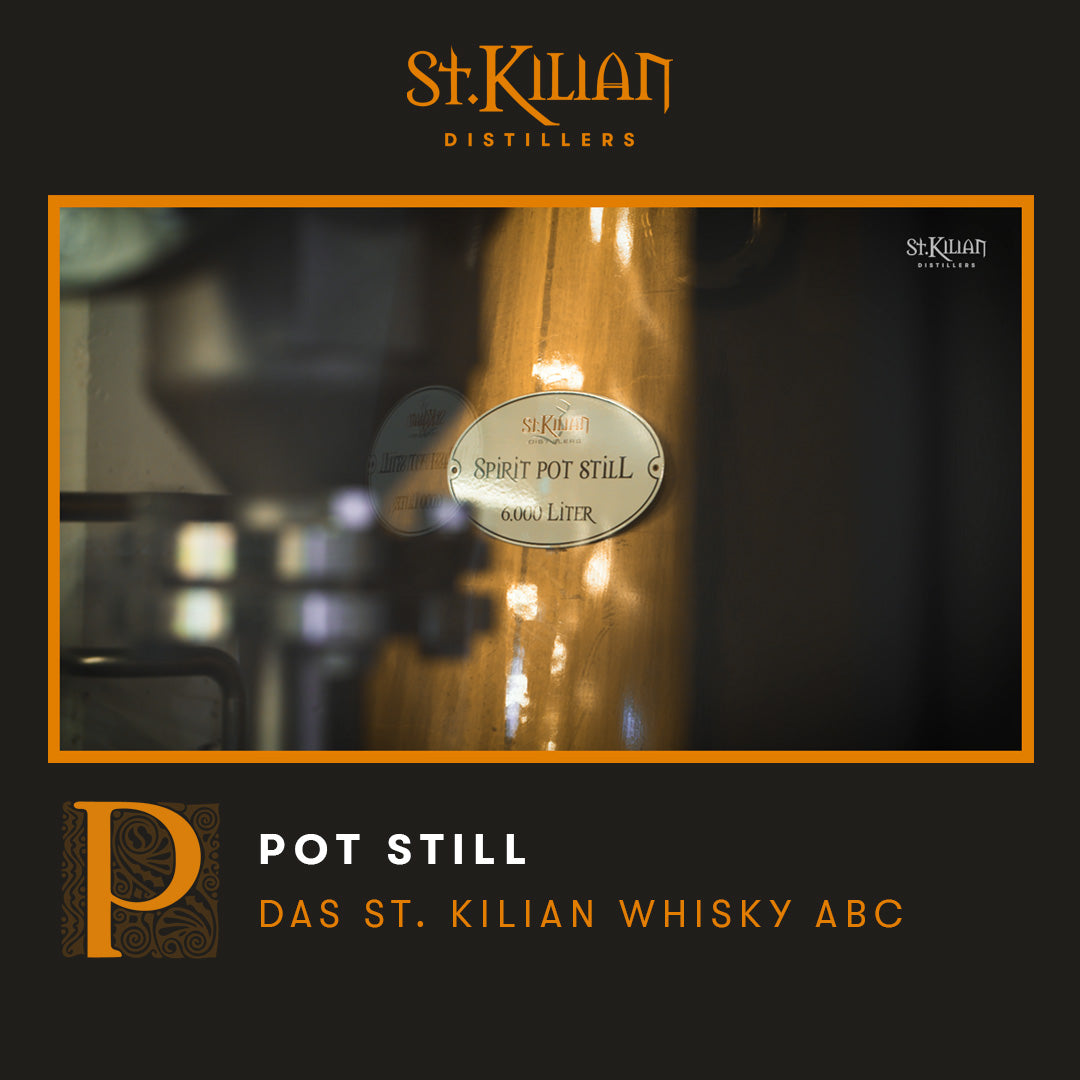
Copper is a soft metal, making it easy to process. When shaped by hammering, copper hardens under this mechanical stress and retains its form. Additionally, copper has high electrical conductivity and good corrosion resistance. The metal also exhibits excellent thermal conductivity, which early whisky distillers utilized by crafting stills from elemental copper.
What other special property does copper possess?
An interesting and, with regard to distillation in whisky production, important property of copper is its high affinity for sulfur. Copper loves sulfur! Both elements form a strong bond, creating salts known as copper sulfides through chemical reactions.
Where do the various sulfur compounds come from?
These mostly organic sulfur compounds, with which copper chemically reacts later in the whisky production process, originate from the fermentation of the wort. During alcoholic fermentation, these compounds are formed by yeast alongside ethanol, carbon dioxide, and a multitude of different aroma compounds – such as esters, alcohols, aldehydes, or ketones. This is partly due to the proteins (albumins) in barley, which contain the sulfur-containing amino acids cysteine and methionine. These amino acids are partially utilized by yeast cells as nutrients, and the various sulfur compounds are released into the wort as "waste products."
What properties do sulfur compounds possess?
The mentioned sulfur compounds primarily include hydrogen sulfide, ethanethiol, dimethyl sulfide, dimethyl disulfide, and dimethyl trisulfide, which are characterized by their mostly unpleasant odors reminiscent of rotten eggs, onions, garlic, cooked vegetables, sweat, and burnt matches. These "aromas" are detectable by the human nose even in tiny amounts and are entirely undesirable when enjoying a spirit like whisky.
Where are these sulfur compounds removed?
During distillation in copper pot stills, these volatile sulfur compounds vaporize, rise into the swan neck of the still, and react there with the hot copper surface. Both substances undergo a chemical reaction, forming salts called copper sulfides. These adhere to the wall of the copper still, are no longer volatile, and thus do not enter the distillate. This means that during the double distillation in the wash and spirit still, a large portion of the unpleasant-smelling organic sulfur compounds in the wash are removed by the copper. However, not all sulfur compounds are undesirable. In small amounts, they can indeed contribute positively to the complexity of aged whisky.
What role does copper play in cask maturation?
During the maturation of spirit into whisky in wooden casks, copper also plays a significant role, as it accelerates the formation of esters. These chemical compounds are formed by reactions of acids with alcohols and are characterized by their predominantly fruity aromas. Copper thus catalyzes this ester formation, which can also occur at high temperatures during distillation inside the pot still.
Are there any disadvantages?
Besides the many advantages of copper, there is one significant, albeit indirect, disadvantage. The stills wear out. With each distillation in the pot still, some of the precious metal is consumed. As a result, the thickness of the copper sheet, which initially ranges between 4 mm and 6 mm, becomes thinner over time, leading to the need for the still, or a part of it, to be replaced. Given the high material costs and the time-consuming, manual production of a copper still, such a replacement represents an enormous cost factor for the distillery.
Can copper be replaced by stainless steel?
To circumvent the disadvantage of wear, attempts were made to replace copper stills with stainless steel. However, the distillate obtained from stainless steel stills tasted approximately like steamed broccoli, onion, and celery. This is because, unlike copper, stainless steel is not capable of eliminating the organic sulfur compounds in the wort, with their often-described aromas as vegetable, grassy, rotten, brackish, and rubbery, through salt formation. As a result, they can enter the distillate unimpeded.

Leave a comment
This site is protected by hCaptcha and the hCaptcha Privacy Policy and Terms of Service apply.