


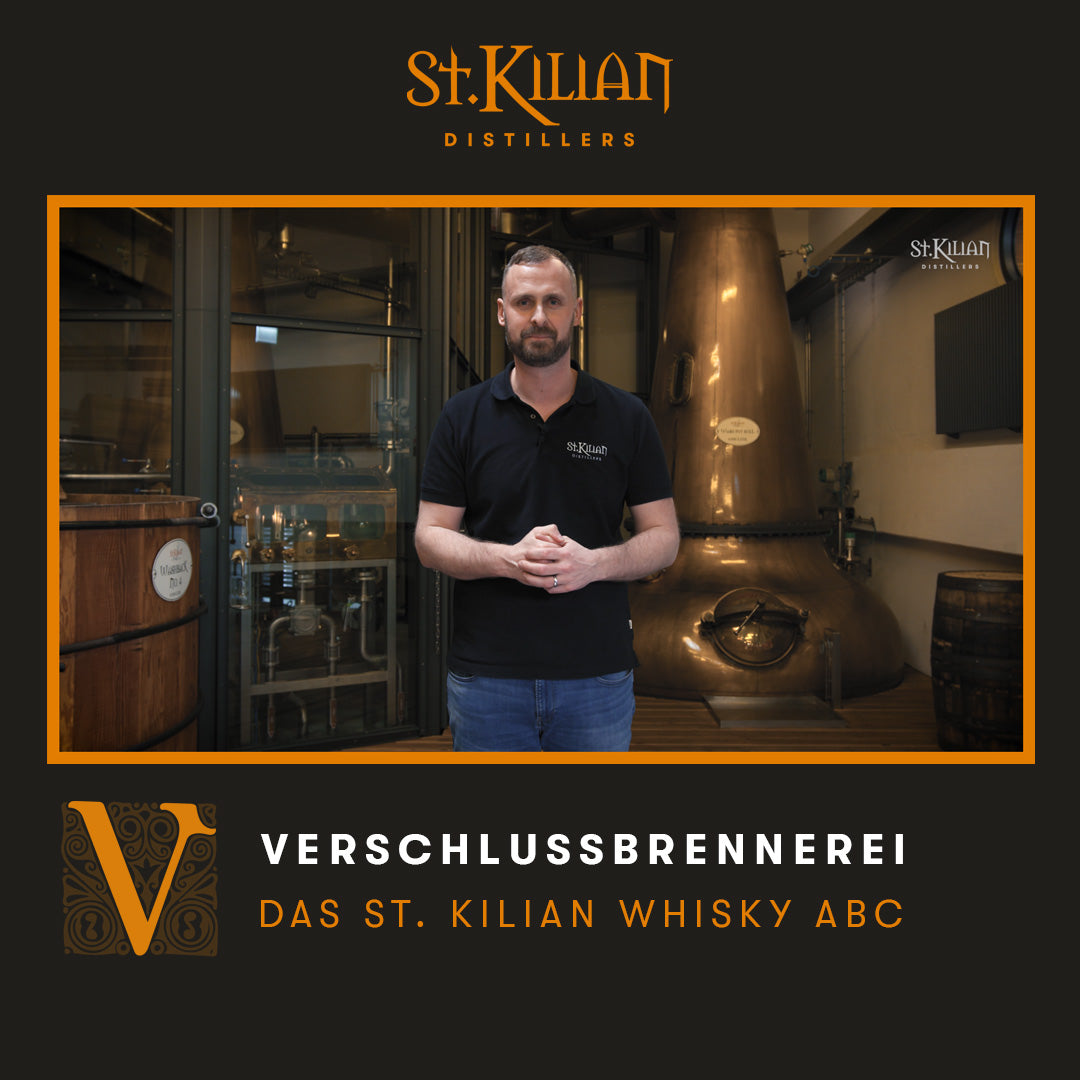

How are distilleries classified in Germany?
In Germany, alcohol (the correct name is ethyl alcohol, but for simplicity, we will continue to refer to it as alcohol) is generally produced in distilleries. These distilleries are divided into so-called Abfindungsbrennereien (fixed-duty distilleries) and Verschlussbrennereien (bonded distilleries).
What does Abfindungsbrennerei mean?
In fixed-duty distilleries, the alcohol tax payable is calculated at a flat rate based on the type and quantity of raw materials processed to produce the alcohol. The flat-rate yield rates specified in the raw material list are used as the basis for taxation. Fixed-duty distilleries are not under official bond. They are therefore not locked, but freely accessible at all times.
What is a Verschlussbrennerei?
In a bonded distillery, the alcohol tax payable is calculated based on the quantity of alcohol actually produced. For this purpose, it is set up in a tamper-proof manner under official supervision before commissioning. This means that the distillery equipment is sealed by customs in such a way that the alcohol obtained cannot be removed unnoticed by the operator or others. This ensures that all alcohol is recorded for customs purposes via tamper-proof collection vessels, containers, and measuring instruments.
Is St. Kilian Distillers a bonded distillery?
Yes. Therefore, the production area where alcoholic vapors are generated by distillation must be sealed from a customs perspective. This already includes a part of the raw spirit pot, the Wash Pot Still.
How is the Wash Pot Still bonded for customs purposes?
Above the pot of the wash still, alcoholic vapors are produced during distillation when the beer contained therein boils. Therefore, the screws that fix the sight glasses on the shoulder and neck of the wash still are already secured with seals against unauthorized opening. The ring-shaped connection to the Lyne Arm – the copper pipe that is connected to the swan neck of the wash still – is also sealed. The vertical condenser connected to the other end of the Lyne Arm is already completely located in a sealed room.
Do the Washbacks also have to be sealed?
No. In the washbacks – our wooden fermentation vats – a beer-like liquid is produced from the sugary wort through fermentation with yeast. This is called wash and has an alcohol content of about eight percent by volume. From the perspective of customs, this area of production is an officially designated beer tax warehouse and therefore does not have to be operated under bond.
What is located in the bonded room at St. Kilian?
The condenser of the Wash Still, the spirit still (Spirit Pot Still) including all the technology and the associated condenser, as well as the Spirit Safe are all located in the bonded room.
What does the bonded room at St. Kilian look like?
So that you can see the Spirit Pot Still with its gleaming copper in all its glory, and also the technology behind it, the walls of the bonded room are made of glass. This way, our many visitors and fans can also view the Spirit Pot Still and the Spirit Safe from the outside. All screws that fix and hold together the individual glass elements of the bonded room are secured with seals against unauthorized opening.
Who is allowed to enter the bonded room?
The bonded room may only be entered in the presence of a customs officer. The door to the bonded room is secured with a sealed lock, to which various bit keys fit. This patent lock can be opened with one key, but can only be locked again with the same key.
What happens in the event of an emergency?
If an emergency requires the St. Kilian team to enter the bonded room, this can only be done by damaging the attached seals. However, customs must be informed (by telephone) at the same time about this entry into the bonded room.
Are other parts of the production facility also sealed or plumbed?
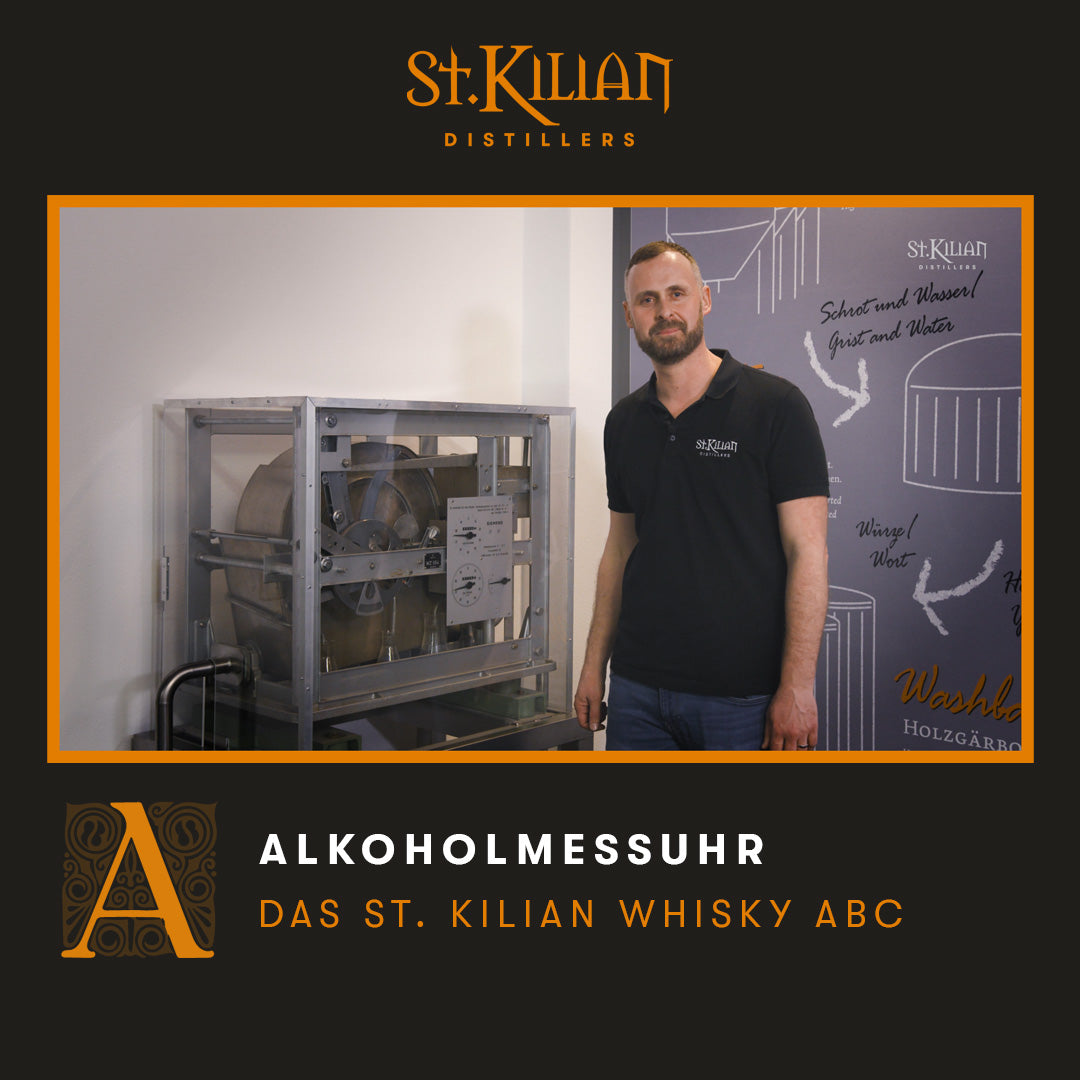
Yes. In the area below the two stills, in a similarly sealed and plumbed room, are the collection containers for the low wine, the foreshots and feints, the spirit (= middle cut of the second distillation in the Spirit Pot Still), and for the Hot Spent Lees (= the remaining residue in the Spirit Still). The pipeline from the Spirit Safe to the alcohol meter, which records the quantity of the middle cut obtained – the heart of the run – is also secured from a customs perspective. This pipe is double-walled, and the double wall is additionally sealed so that no unauthorized entry from the outside into the interior of the pipe for diverting alcohol is possible.
When is the produced alcohol accessible again?
After the alcohol meter, the collected middle cut flows through a pipe, which is no longer sealed, into the designated collection container. From here, the St. Kilian team can work with the alcohol, meaning adjusting the collected middle cut to the desired alcohol content with water if necessary, then filling the casks and transporting them to the warehouse for whisky maturation. Of course, this procedure is continuously documented. But the officially determined amount of alcohol that we produce at St. Kilian is recorded by the alcohol meter and noted accordingly in the tax books.

Leave a comment
This site is protected by hCaptcha and the hCaptcha Privacy Policy and Terms of Service apply.