



What is terroir and how does it influence taste?
This question, already answered in viticulture, has recently been appearing more and more in the whisky world.
Our Master Distiller, Mario Rudolf, has a clear opinion on this, which he put in writing in the autumn issue of the Highland Herold: terroir can be tasted!
In numerous new-make tastings, we have already been able to identify clear differences between locally grown barley and barley from other regions. However, this difference, influenced by terroir – meaning the nature of the soil in combination with other influential factors such as climate or surroundings – is only of a taste nature and not qualitative.


Where does our Heimat Malt come from?
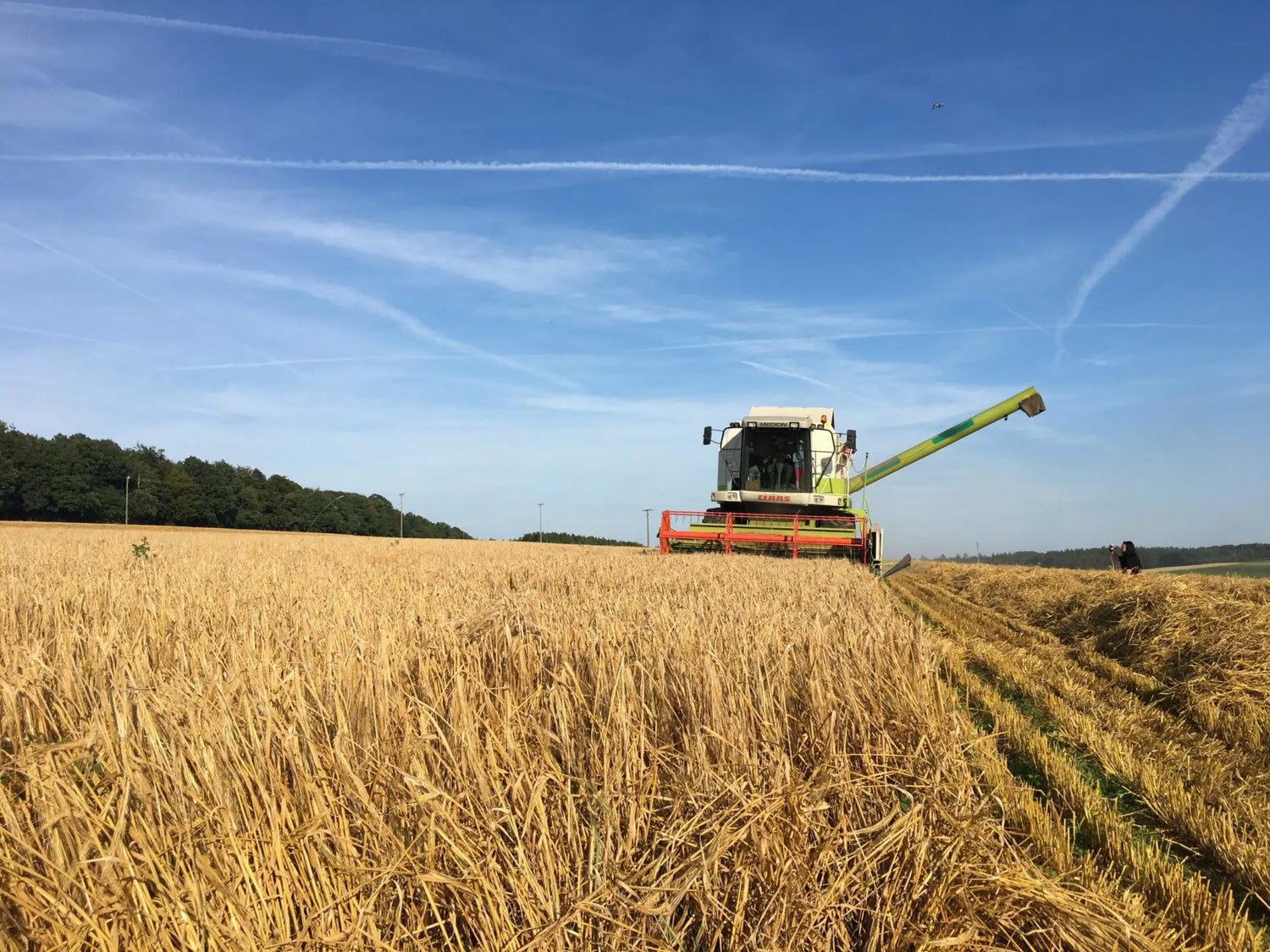
In the last weeks of December and the first weeks of January, we exclusively process locally grown Laureate barley.
This was grown for us by organic farmer Andreas Henn in Reichartshausen, just a few kilometres away. After the harvest in August 2021, the barley was malted for us by Weyermann in Hassfurt, sorted by variety.
The cooperation between farmer Henn and St. Kilian started in 2019 with the barley variety Planet, and the following year, the Laureate variety was added. In a direct comparison of the two barley varieties, Laureate clearly came out on top, a trend also observed in Scotland, where it is slowly replacing Concerto, the previously predominantly grown barley variety.
For 2021, we are relying entirely on Laureate and were satisfied with the harvest result: Andreas Henn was able to harvest around 50 tons of grain; after malting, we are left with approx. 40 tons of barley malt.
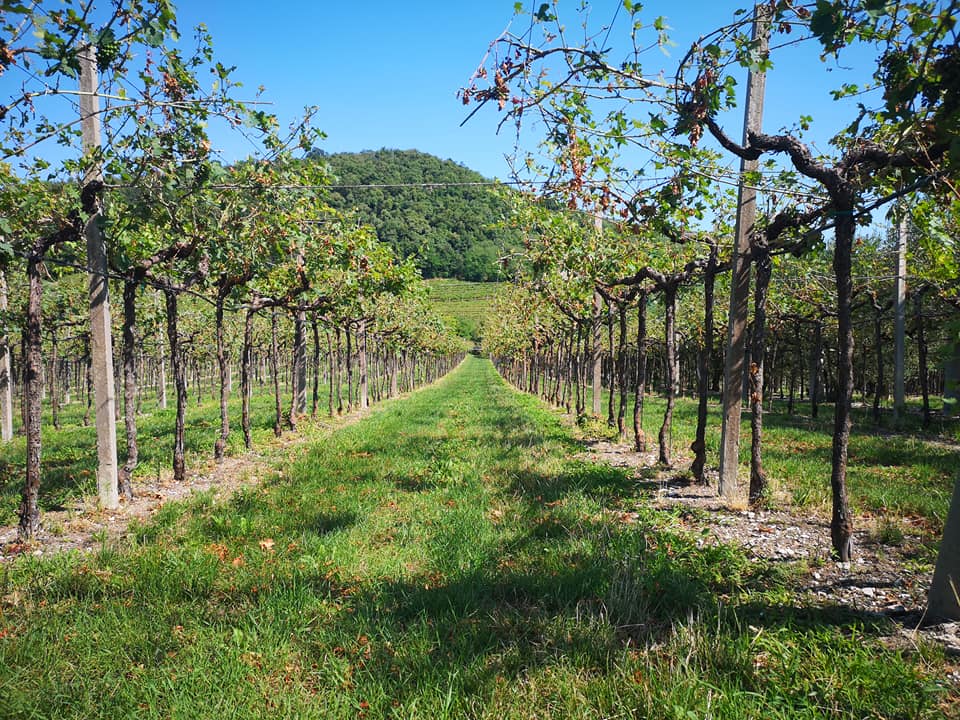
Grown, malted and distilled in Lower Franconia – to maintain regionality also in cask maturation, the freshly distilled new make matures in casks from the region: Pinot Noir casks from the Bürgstadt winery Fürst, strong beer casks from the traditional brewery Faust, casks made from Spessart oak.

Leave a comment
This site is protected by hCaptcha and the hCaptcha Privacy Policy and Terms of Service apply.